A Comprehensive Guide to Omnichannel Marketing Platform
Understanding Omnichannel Marketing Platform
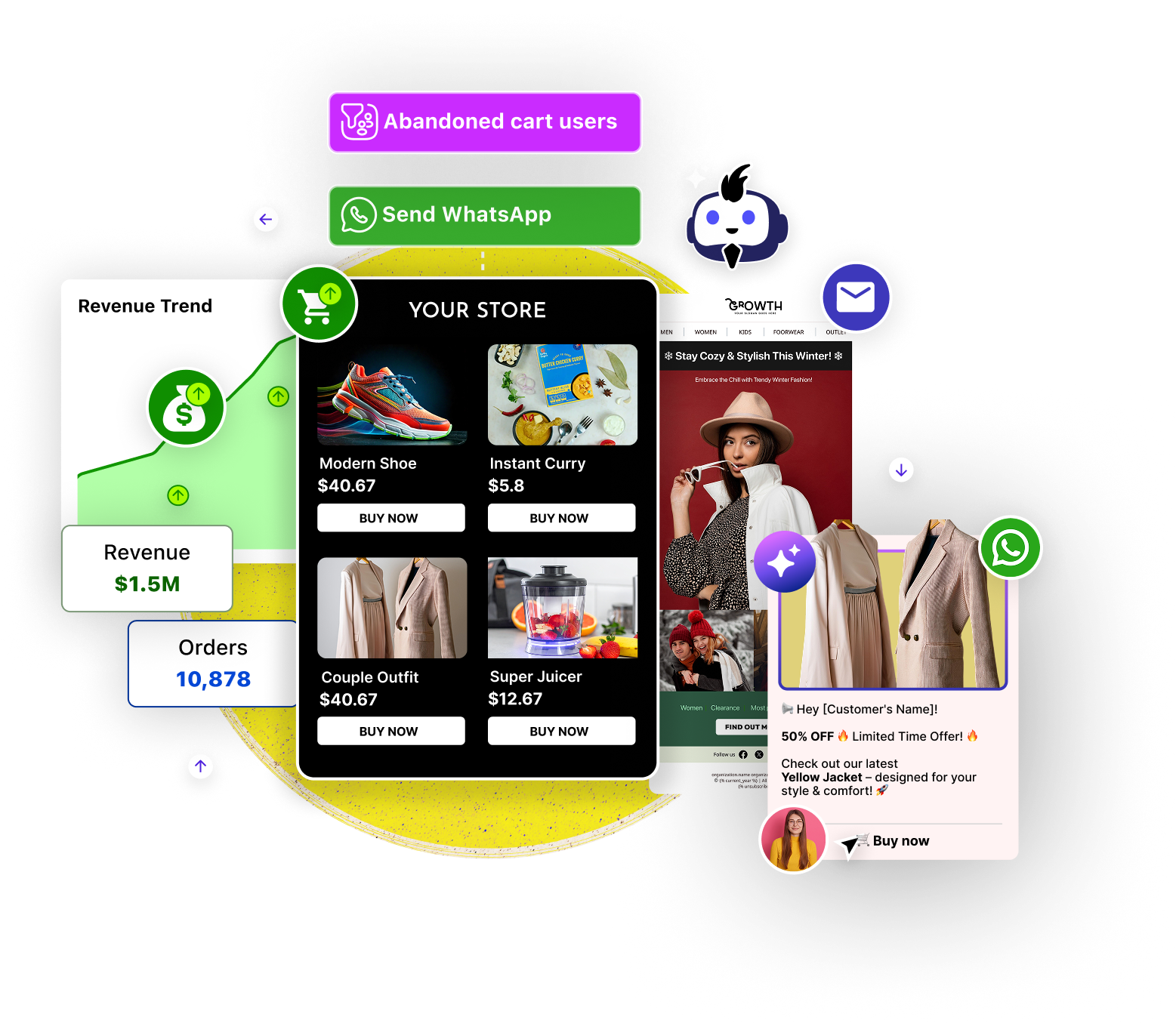
How can you be omnipresent? This is where omnichannel marketing software comes in. It empowers you to engage effectively across every channel your audience uses. But with so many options in the marketplace, how will you find the one for you? Let us help you understand what omnichannel marketing software does, why it matters, and how to choose a platform that aligns with your business goals.
Top Omnichannel Marketing Automation Software

1. ZEPIC
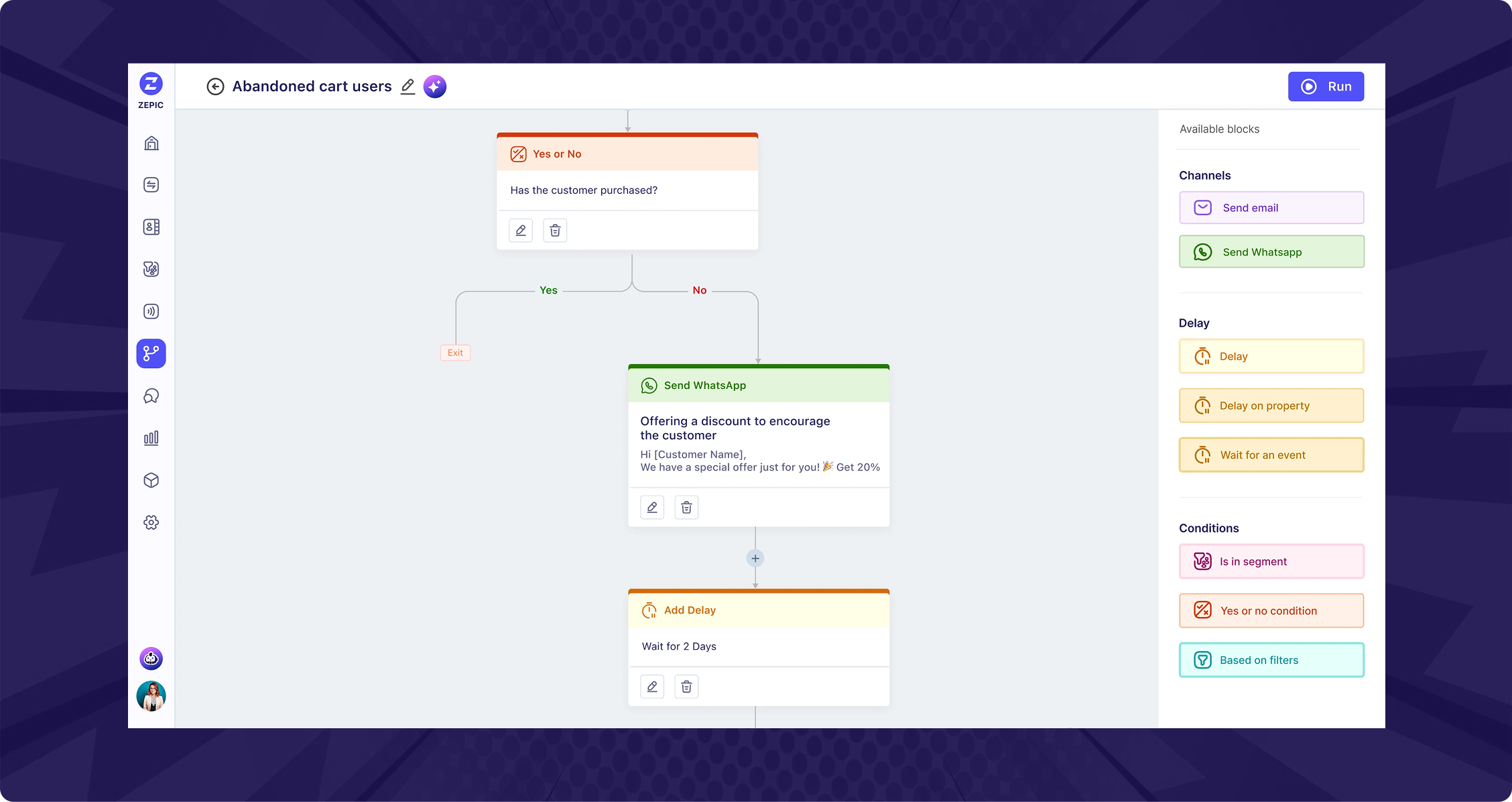
- Supports email and WhatsApp channels
- Built-in Customer Data Platform with unified, real-time customer profiles
- Team Inbox to manage WhatsApp and email queries in one place
- AI-powered end-to-end campaign creation and optimization
- WhatsApp smart retries to improve deliverability rates
- Predictive segmentation driven by advanced AI models
- Visual journey builder for designing omnichannel marketing campaigns
- Revenue attribution dashboard for in-depth campaign insights
- 50+ pre-built integrations, including Shopify, Woocommerce, Magento, and flexible APIs
Pros
- Intuitive interface with minimal learning curve
- AI-driven campaigns reduce campaign creation time
- Fast onboarding and responsive support
- Real-time behavioral targeting across all customer touchpoints
- In-built unified customer data platform
Cons
- Instagram, SMS, and other channels are in development
- Still building traction with enterprise clients

Pricing
- Flexible pay-as-you-go option
- Free trial available
- No long-term contracts required
Best suited for


2. Klaviyo
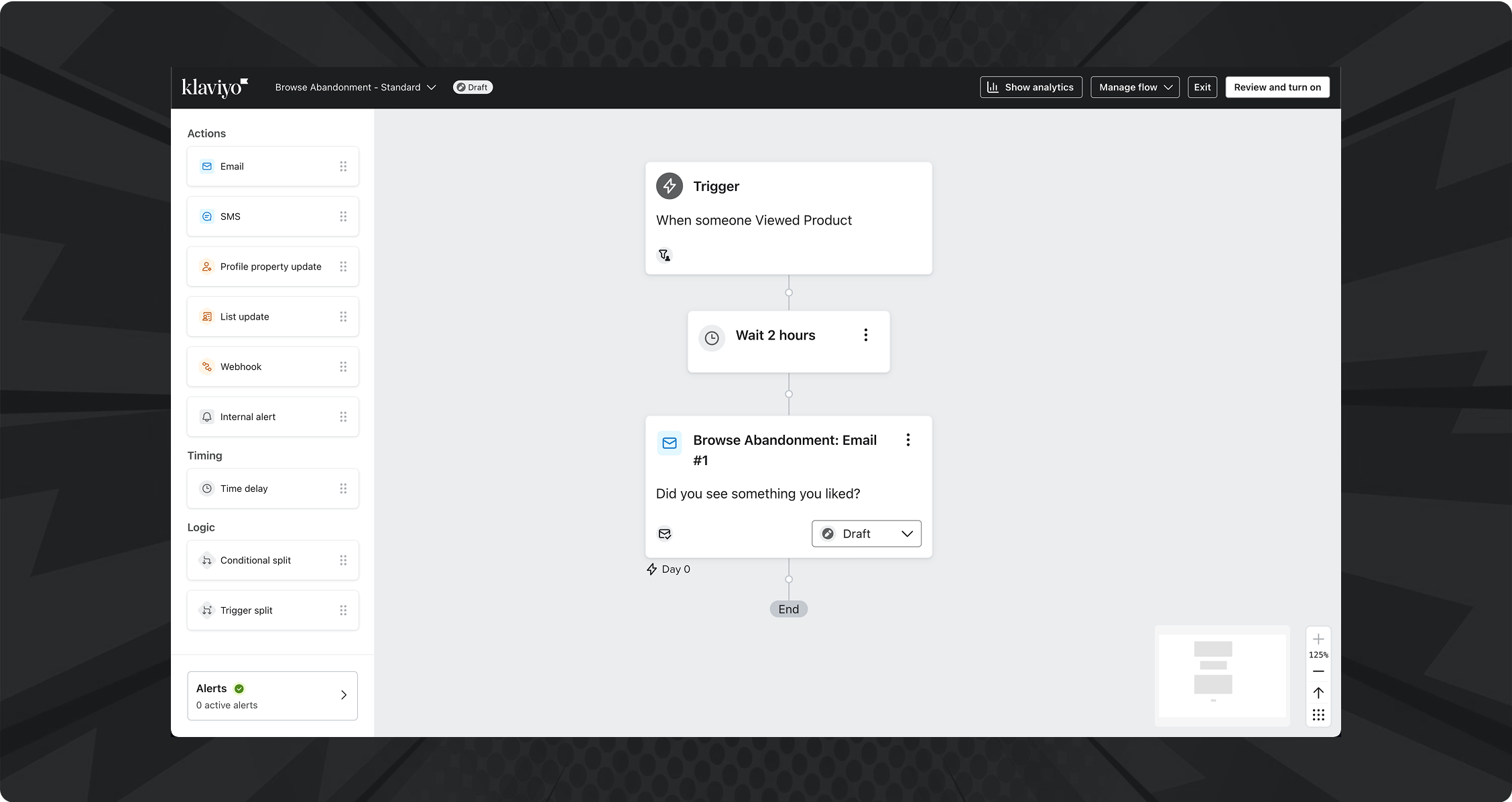
- Supports email, WhatsApp, mobile push notifications, and SMS
- Segmentation based on AI-enabled predictive insights
- Generative AI to create content fast
- Multi-channel A/B testing
- Email deliverability score
- 350+ built-in integrations including CRM, e-commerce platforms, analytics, and more
- Multi-channel attribution
Pros
- Extensive multi-channel options
- Extensive integration ecosystem
- Excellent product recommendations feature
- Strong email & SMS Automation
Cons
- CDP functionality comes at a cost
- As contacts grow, pricing can become steep.
- No data transformation capabilities
Pricing
- Contact-based pricing
- Fee trial availability
- The pricing plan starts at $45
Best suited for
3. Omnisend
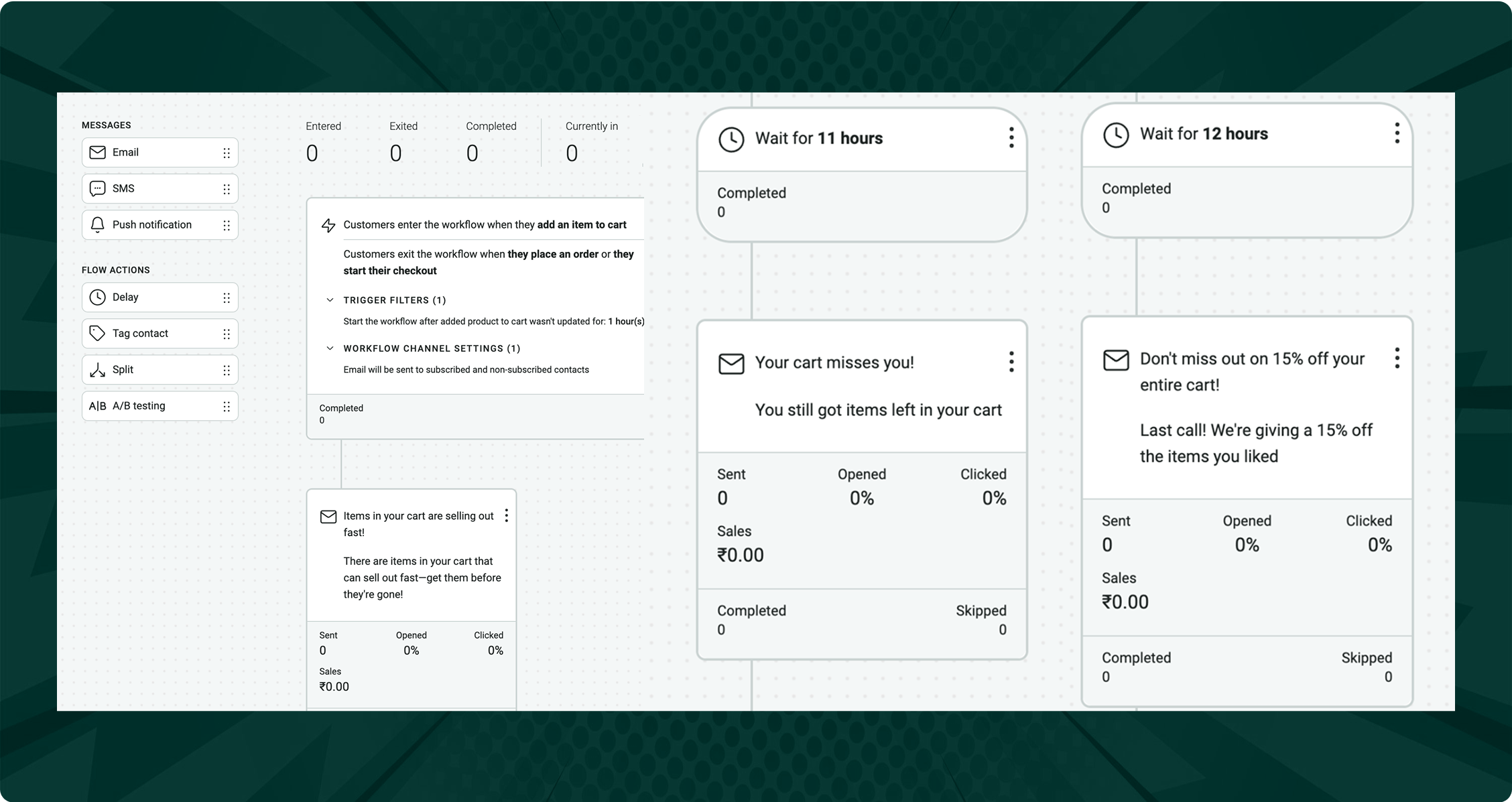
- Supports email, push notifications, and SMS (add-on)
- Pre-built automation workflows
- Built-in re-targeting segments for Facebook and Google
- Drag-and-drop content editor with product picker
- Real-time performance reporting
- Flexible and precise contact segmentation
- A/B testing & automation splits
Pros
- Easy to set up and use
- Channel-specific reporting and ROI tracking
- 24/7 customer support via live chat and email
- Affordable pricing
Cons
- Limited third-party integrations
- Basic AI capabilities compared to enterprise tools
- Less flexibility for B2B or non-eCommerce businesses
Pricing
- Free forever plan with limited emails
- Standard plan starts at $16
- Pro plan starts at $59
Best suited for
4. Brevo
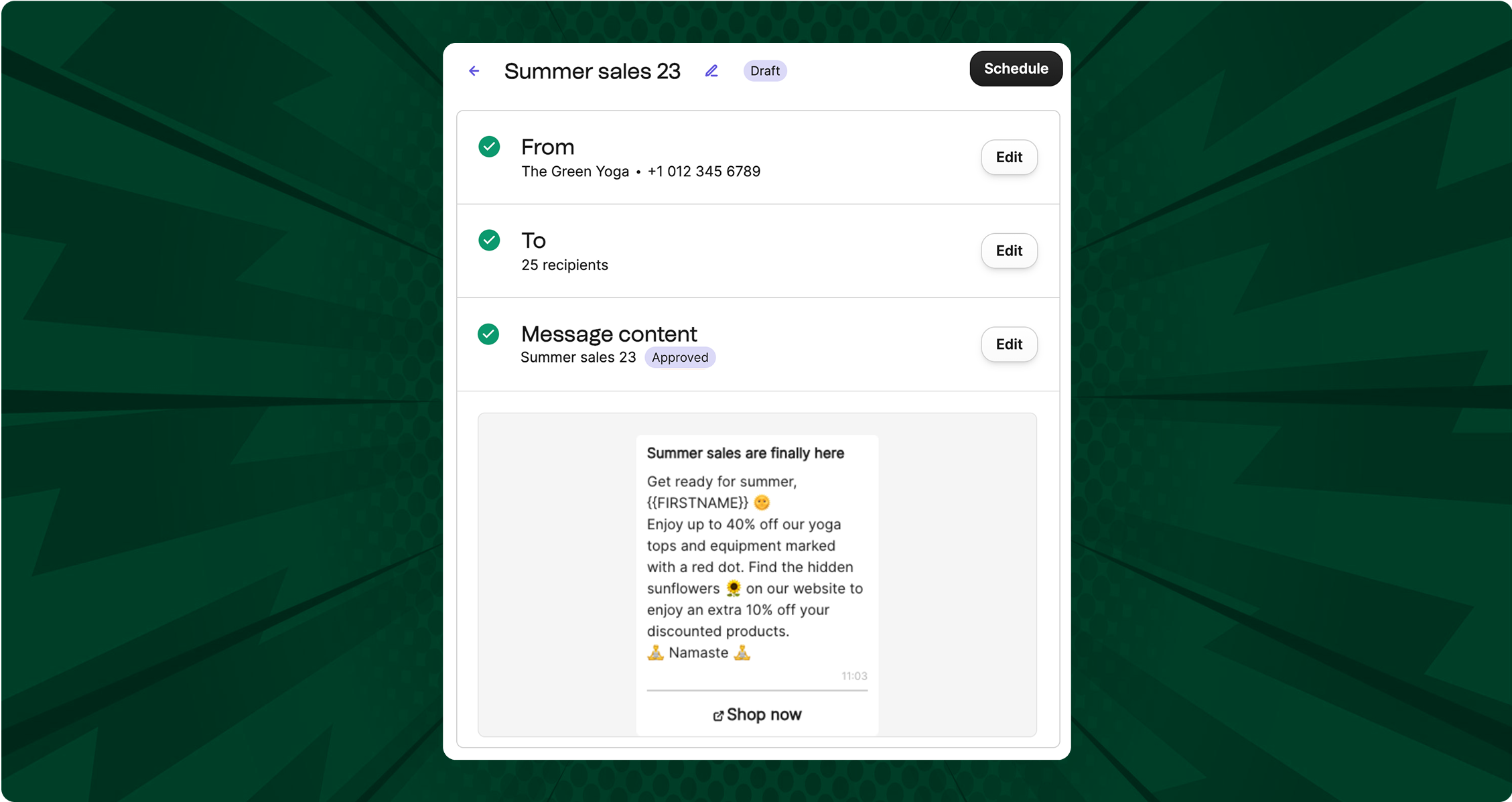
- Supports Email, SMS, WhatsApp, and web and mobile push notifications
- Predictive sending AI
- CRM and shared inbox for customer management
- Basic segmentation and personalization
- Live chat widget for websites
- Simple drag-and-drop campaign builder
Pros
- Beginner-friendly interface
- Strong transactional email capabilities
- GDPR-compliant infrastructure with European data centers
- Affordable plans
Cons
- Limited advanced segmentation and AI features
- Automation workflows are basic compared to more sophisticated platforms
- Reporting features lack depth and customization
Pricing
- Offers free plan
- Pay-as-you-go pricing
- The basic plan starts at $9/month
Best suited for
5. Braze
.png)
- Supports email, SMS, WhatsApp, Line, and mobile and web push notifications
- Advanced segmentation for precise targeting
- Personalization with machine learning and predictive analytics
- A/B Testing
- Dynamic ad integrations
- Dynamic content personalization
Pros
- Powerful cross-channel capabilities
- Real-time segmentation and behavioral targeting
- Advanced testing, analytics, and journey mapping tools
- Scalable for high-volume brands
Cons
- Complex setup and integration that requires technical expertise
- Expensive for smaller companies
- The interface and campaign logic can be complex
Pricing
- $50,000-100K+ annual contracts
- No free trial availability
Best suited for
6. ActiveCampaign
- Supports email, WhatsApp, and SMS
- Predictive sending
- AI-powered automation builder
- Attribution & conversion tracking
- Site tracking
- Automation triggers & actions
Pros
- Powerful and easy-to-use automation builder
- Flexible integrations with over 900 third-party tools
- User-friendly interface
Cons
- The reporting feature is limited for advanced analytics
- Visual journey builder can feel dated
- Automation workflows can become complex and hard to manage at scale
Pricing
- Free trial is available
- The basic plan starts at $15/month
Best suited for
Why Choose an Omnichannel Marketing Software
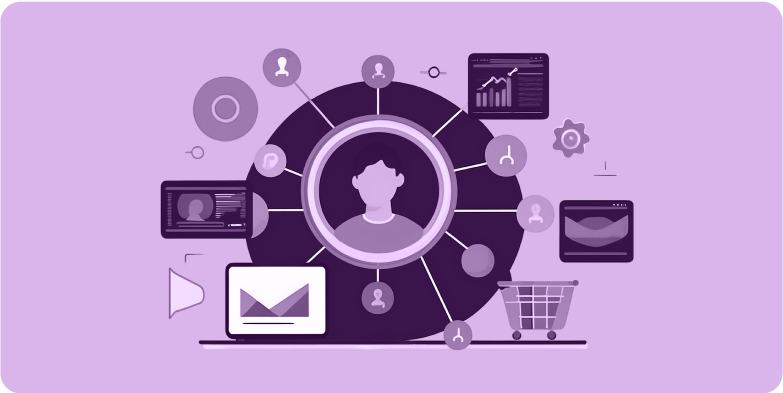
Unify Customer Data
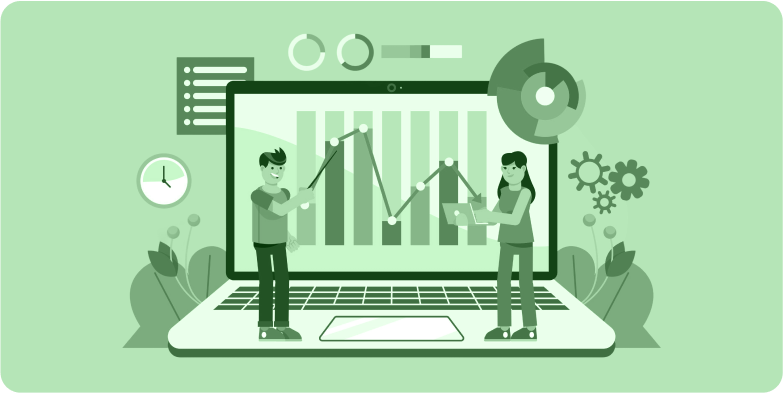
Deliver Consistent Messaging

Customer Segmentation
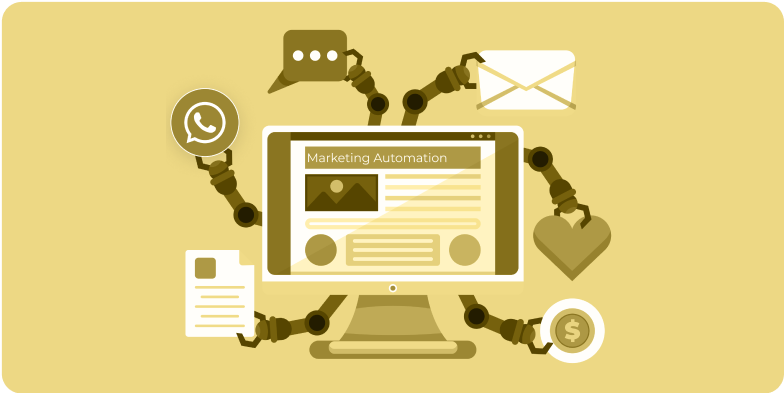
Automate Cross-Channel Campaigns
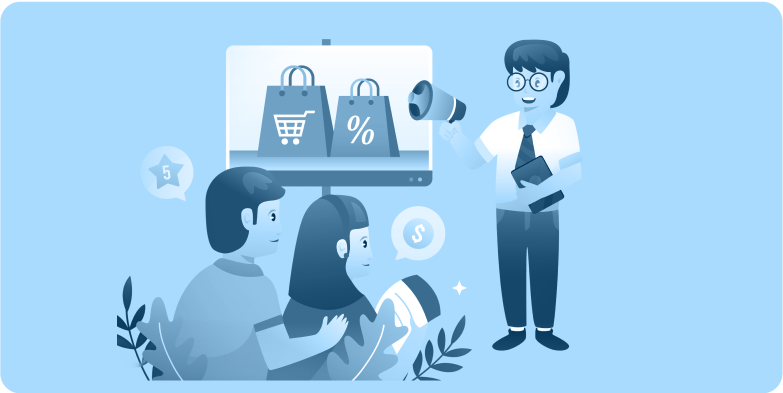
Personalize Customer Experiences

Track Performance Holistically
How Omnichannel Marketing Software Transforms Business Operations
- Pre-built templates, customer journeys, and AI-powered recommendations help teams go from idea to execution faster—across multiple channels at once—without starting from scratch each time.
- Maximize the impact of your marketing spend with better targeting and automation.
- With personalized experiences, you can increase engagement and conversions.
- Consistent communication and personalized offers lead to increased repeat purchases and brand advocacy.
- Instead of juggling separate tools for email, WhatsApp, social media, and SMS, a unified platform reduces software clutter, lowers subscription costs, and simplifies campaign execution.
- As your business expands, omnichannel platforms grow with you.
- Whether you're targeting new markets or handling higher volumes, the software supports scalable automation and segmentation.
Maximize ROI with Cross-Channel Campaign Automation in ZEPIC
What Features To Look For In a Modern Omnichannel Marketing Tool
Customer 360 View
Centralized customer profiles
Rich customer timelines
Advanced identity resolution
Advanced segmentation
Custom attributes
Multi-dimensional segmentation
Dynamic audience updates
Hyper-Personalization
Behavior-Based Messaging
AI-powered recommendations
Send time optimization
Automated Workflows
Drag-and-drop workflow editor
Conditional logic and branching
Event-triggered automations
Real-Time Reporting & Attribution
Multi-channel performance dashboards
Attribution modeling
Custom reporting
AI Capabilities
Churn prediction
Natural language generation
Lookalike audience creation
Find out how Vodafone Fiji sold out all their IOT products in just 48 hrs with ZEPIC.
Omnichannel Marketing Software Use Cases & Solutions
Personalized Cross-Channel Onboarding Campaigns
- Low engagement with welcome emails alone
- Inconsistent messaging across channels
- New customers dropping off before their first purchase
- Dynamic campaign personalization based on browsing and purchase history
- Multi-channel automated workflows triggered at signup
- Visual journey builder to map the onboarding experience
- Unified analytics dashboard to monitor conversions
Behavior-Based Retargeting for Abandoned Carts
- High cart abandonment rates with low recovery
- Customers ignoring single-channel follow-ups
- Difficulty optimizing timing and incentives
- Event-triggered cart abandonment workflows across email, SMS, and WhatsApp
- Dynamic product recommendations and personalized discount codes
- AI-powered send time optimization for follow-ups
- Real-time tracking of recovery performance
Lifecycle Campaigns to Drive Repeat Purchases
- Low repeat purchase rates after the first transaction
- Customers forgetting about the brand over time
- Generic post-purchase messages with limited relevance
- Automated post-purchase nurturing sequences across channels
- Personalized cross-sell and upsell campaigns based on order history
- Loyalty program integration and reward notifications
- Multi-channel reactivation campaigns for dormant customers
Omnichannel Promotions & Flash Sales
- Inconsistent promotion messaging across platforms
- Limited ability to segment and target high-value shoppers
- Difficulty measuring channel-specific impact
- Simultaneous promotion deployment across all channels
- Smart segmentation to prioritize high-intent buyers
- Countdown timers and urgency triggers in messages
- Unified reporting to track sales performance by channel
Real-Time Transactional Notifications
- Customers missing important updates in crowded inboxes
- High support inquiries about order status
- Limited multi-language support
- Automated order and shipping notifications via email, SMS, and WhatsApp
- Personalization tokens for order details and tracking links
- Real-time triggers for status changes and delivery updates
- Multi-language support for global audiences
Price Drop and Back-in-Stock Alerts
- Shoppers unaware of price changes or restocks
- Manual workflows to notify customers about inventory updates
- Difficulty prioritizing high-intent audiences
- Automated alerts triggered by price drops or inventory changes
- Smart segmentation to target interested shoppers first
- Personalized recommendations and urgency messaging
- Cross-channel delivery via email, SMS, and push notifications
Maximize ROI with Cross-Channel Campaign Automation in ZEPIC
Omnichannel Marketing Software Challenges: What Businesses Struggle With
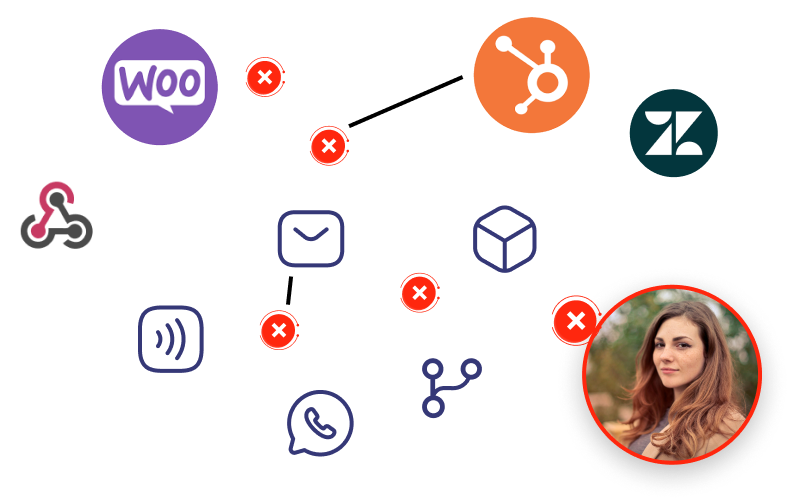
Challenge
Solution
Business impact

Challenge
Solution
Business impact
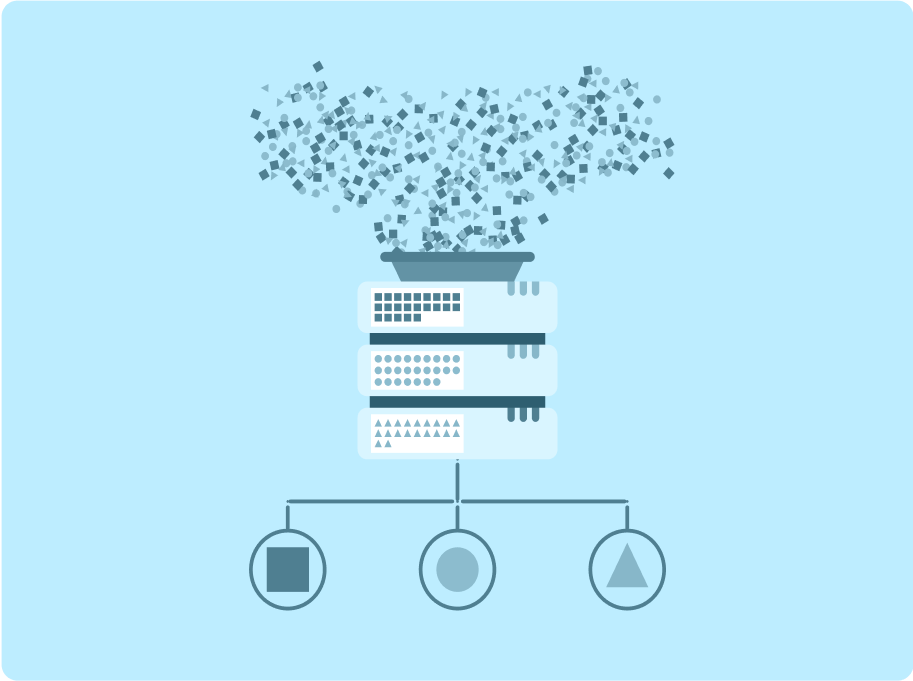
Challenge
Solution
Business impact
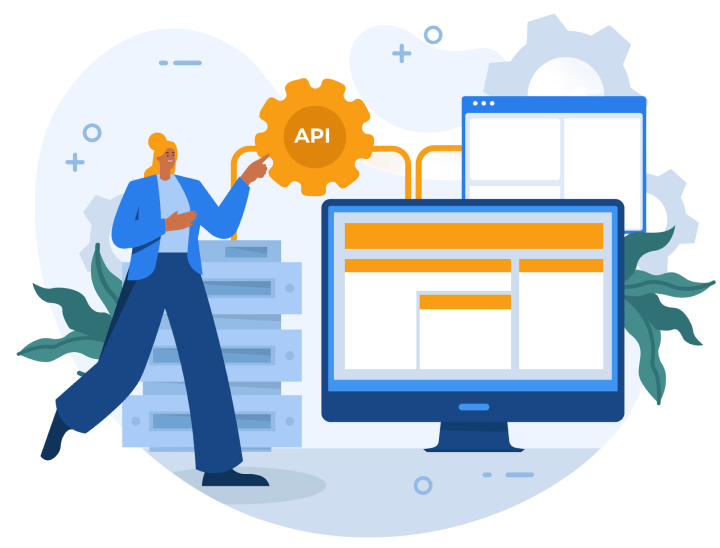
Challenge
Solution
Business impact
Challenge
Solution
Business impact

Challenge
Solution
Business impact
FAQs
1. What kind of technology stack is typically required for omnichannel marketing?
A typical tech stack has a Customer Data Platform (CDP), marketing automation platforms, CRM systems, and analytics tools, all integrated to provide a unified customer view.
2.How can businesses effectively measure the ROI of their omnichannel marketing efforts?
Measuring omnichannel ROI means looking beyond single-channel performance to understand the full impact of your marketing efforts. It starts with tracking Customer Lifetime Value (CLV) to assess the long-term worth of each customer. You also need to analyze conversion rates across all integrated channels to see how they work together to drive results. Most importantly, applying multi-touch attribution models helps you accurately credit every touchpoint along the customer journey.
3.What role does data privacy play in omnichannel marketing?
Data privacy is essential in omnichannel marketing. Because these strategies depend on collecting and unifying customer data, it’s critical to comply with regulations like GDPR and CCPA. Adhering to these standards protects customer trust, safeguards sensitive information, and ensures your data practices remain transparent and ethical.
4.Are there significant differences in omnichannel marketing for B2B versus B2C businesses?
Yes, B2B omnichannel strategies often involve longer sales cycles and complex decision-making processes, making it essential to deliver tailored content and build relationships across professional channels. In contrast, B2C omnichannel focuses on reaching a wider audience and creating emotional connections to drive faster purchasing decisions.
5.Is omnichannel marketing feasible for small businesses with limited resources?
Absolutely. Small businesses can start by focusing on their most important customer touchpoints and using affordable, integrated tools. Even managing just a few well-coordinated channels can significantly boost customer engagement and retention.